

By Itai Ndongwe
HARARE – Zimbabweans have expressed both support and reservations over the proposed Constitutional Amendment Bill No. 3 during ongoing public hearings, with debate centring on its implications for electoral cycles and governance.
The bill, gazetted in February 2026, seeks to amend provisions relating to the duration of presidential and parliamentary terms, among other governance structures.
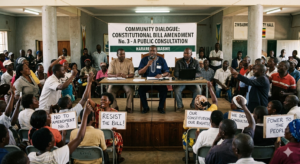
At a public hearing held in Chitungwiza, several participants voiced support for the proposed changes, arguing they would promote policy continuity and reduce election-related disruptions.
President of the Supreme Council of Islamic Affairs in Zimbabwe, Sheikh Ishmail Duwa, said findings from an internal survey of 1.5 million members indicated strong backing for the bill.
“It will bring development and continuation of projects, allowing councillors, MPs and the President to implement the 2030 vision,” he said.
Jay Israel Dube, National Spokesperson for the Zimbabwe Economic Forum (NAMFED), also supported the amendment, citing previous constitutional changes as precedent.
“The Constitution is a binding document between citizens and leadership. This is not the first amendment. The previous one introduced the youth quota in Parliament. This one reinforces Vision 2030,” he said.
Some residents argued that extending electoral cycles would allow the government to complete long-term infrastructure projects.
Chitungwiza resident Godwill Mafuratidze said the current five-year cycle limits implementation.
“Some infrastructure projects, like dams, cannot be completed in five years. The current cycle is a hindrance, with time lost to settling in and campaigning,” he said.
However, dissenting views also emerged, with some participants calling for broader public involvement in the decision-making process.
“We should go for a referendum,” said one resident.
Senator Eleven Kambizi, Chairperson of Public Hearing Team 1, said the outreach programme had attracted significant public participation.
“People were ready to share their views, and we listened. The exercise ends on April 2, after which reports will be compiled and submitted to Parliament,” he said.
The public consultations form part of the legislative process, with submissions expected to inform parliamentary deliberations on the bill.
The outcome of the process will determine whether the proposed constitutional changes proceed, amid ongoing debate over their potential political and economic impact.