

By Talkmore Gandiwa
The death toll in Palestine from the ongoing Israeli offensive has climbed to 71,550, with 171,365 Palestinians reported wounded since the conflict erupted on October 7, 2023. Even after the ceasefire took effect, fatalities have continued, rising by 465, while 1,287 more people have been injured. Rescue teams have recovered 713 bodies from beneath rubble in Gaza.
The humanitarian situation in the Gaza Strip is deteriorating rapidly, with the territory facing a severe health crisis. Hospitals are overwhelmed, receiving more than 500 new patients each day. Among these, approximately 200 are battling acute respiratory illnesses with severe symptoms, taxing limited medical capacity.
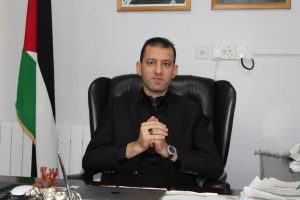
Palestine’s Ambassador to Zimbabwe, Tamer Almassri, warned that a lack of diagnostic equipment has allowed diseases to spread unchecked, compounding an already dire health emergency.
The Palestinian health ministry is struggling to cope as Israel maintains a total blockade on essential services and goods. This blockade has gravely impaired the ability of medical professionals to provide necessary care, pushing an already fragile medical system to the brink of collapse.
Nearly 1.9 million people in the Gaza Strip are now living without adequate shelter as a consequence of prolonged hostilities and the persistent blockade, authorities say.
Despite a ceasefire agreement that went into effect on October 11, Israeli warplanes have continued to conduct airstrikes across central and southern Gaza. These attacks represent what critics describe as a blatant violation of international accords and have contributed to a fresh surge in casualties.
Ambassador Almassri reiterated that the blockade, ongoing airstrikes, mass displacement and broader aggression against the Palestinian people constitute a violation of human rights and international law, underscoring what he described as Israel’s intent to destroy the Palestinian population.
Calls for action from the international community have grown louder as the crisis deepens. Diplomats, aid organisations and rights groups are urging immediate measures to alleviate suffering, including the lifting of the blockade, expansion of humanitarian corridors, and rapid delivery of essential food, water, medical supplies and shelter.
For civilians trapped in the Gaza Strip, each day brings new challenges. With critical infrastructure damaged and basic services disrupted, families are struggling to access clean water, adequate sanitation and essential medicines. Medical facilities, already stretched thin before the conflict, are now operating with severe shortages of staff, equipment and supplies.
Analysts warn that without urgent intervention, the health crisis could escalate into widespread outbreaks of disease, further increasing mortality and inflicting long-term harm on Gaza’s population.
International organisations have called on governments and multilateral bodies to step up diplomatic pressure and humanitarian support. “The situation demands an urgent and coordinated global response,” one UN official said, emphasising the necessity of unimpeded access for aid agencies.
As the humanitarian emergency continues to unfold, all eyes remain on global leaders to translate concern into concrete action that can stem the suffering of civilians and restore hope for a future beyond conflict.