
Talkmore Gandiwa
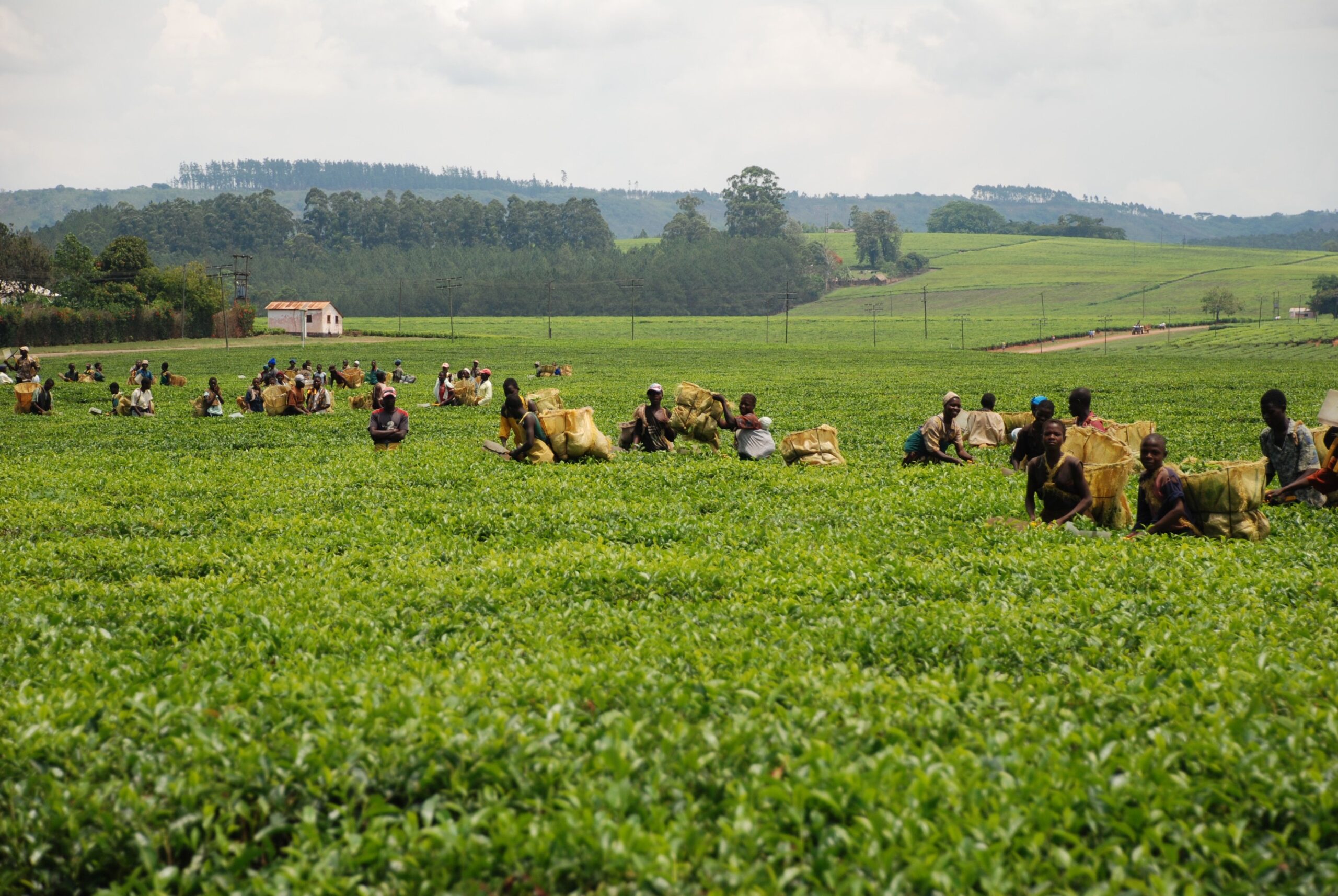
HARARE – Tanganda Tea Company, one of Zimbabwe’s most storied agricultural brands, is currently navigating a period of profound turbulence characterized by a dire liquidity crisis, a complete boardroom overhaul, and the emergence of a new corporate powerhouse on its share register.
Despite successfully raising US$8 million through a recent rights issue intended to deleverage its balance sheet, the company’s internal financial pressures have reached a breaking point, revealed most poignantly by the fact that nine executive directors have gone entirely unpaid for the past 12 months.
The severity of the cash flow crunch was laid bare at the 2025 Annual General Meeting (AGM) by outgoing chairman Herbert Nkala. He disclosed that the board had intentionally prioritized paying rank-and-file employees and essential creditors over their own salaries—a governance stance aimed at keeping the company operational despite a US$6.36 million cash deficit and bank borrowings exceeding US$7.1 million.
This financial strain has been mirrored by an erosion of shareholder value; the company’s market capitalization plummeted from US$27.76 million in 2023 to a low of US$4.98 million in 2025, before seeing a slight recovery to US$5.35 million in early 2026.
The AGM marked the “end of an era” as a wave of retirements swept through the leadership ranks. Herbert Nkala, a fixture at the company for 29 years, retired alongside veteran non-executive directors Simon Hammond and Livingstone Gwata.
This exodus follows the recent departure of long-serving CEO Timothy Fennell, who led the firm for 15 years. However, the most startling development was the immediate retirement of the newly appointed CEO, Sharon Nyasha Kodzanai. Having only assumed the role in January 2026, her departure after such a brief tenure suggests a rapid recalibration of the company’s direction under its new ownership structure.
The catalyst for much of this change is the entry of Innscor Africa, which has secured a 27% equity stake in Tanganda through its subsidiary, Rutanhi Investments. By underwriting the rights issue and taking up 54% of the new shares, Innscor has effectively become a kingmaker within the business. This strategic partnership is expected to provide the capital and corporate muscle needed to modernize Tanganda’s operations, which have long been hampered by climatic variability, high input costs, and debilitating power outages.
To combat these operational hurdles, Tanganda is doubling down on:
-
Energy Resilience: Expanding solar power across three estates and pursuing net metering to reduce reliance on the expensive national grid.
-
Value Addition: Shifting focus toward higher-margin “beneficiation” (processing) rather than just bulk exports.
-
Market Diversification: Expanding the footprint of its tea and macadamia products in regional and international markets.
While the “ZiG” currency has provided a veneer of local stability, the structural challenges remain formidable. Revenue fell from US$25.8 million in 2024 to US$19.2 million in 2025, emphasizing that the road to recovery will require more than just a change in personnel.
With a strengthened balance sheet and the backing of one of Zimbabwe’s largest conglomerates, Tanganda is now betting that this radical transformation will preserve its 100-year legacy and restore its status as a cornerstone of the nation’s agricultural sector.