

By Staff Reporter
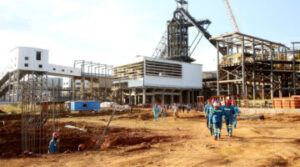
MANHIZE – Serious allegations have emerged against the leadership of Dinson Iron and Steel Company (DISCO), one of Zimbabwe’s biggest industrial projects, with workers and villagers accusing the company of unfair treatment, political interference and neglect of local communities.
At the centre of the controversy is the company’s Chief Executive Officer, Mr Benson Xu, who is accused of involving himself in Zimbabwe’s political affairs and presiding over poor labour and community relations at the multi-billion-dollar steel plant in Manhize.
Sources familiar with the matter claim Mr Xu has openly opposed Constitutional Amendment Bill No. 3 (CAB 3), a proposed law currently under debate in Zimbabwe. The CEO is also alleged to have hosted outspoken government critic Rutendo Matinyarare at the Manhize plant as part of efforts to mobilise opposition against the amendment.
The allegations could not be independently verified at the time of publication.
Responding to questions, DISCO Public Relations Manager Mr Joseph Shoko said the company was not aware of the accusations.
“I am not aware of the allegations. I will need time to consult with colleagues,” said Shoko.
Sources further allege that meetings involving Mr Matinyarare and senior company officials were held with local communities without the involvement of government authorities. Critics say such engagements risk creating parallel structures of influence outside established government systems.
Meanwhile, villagers in the Mushenjere area say life has become difficult since the steel project began operations.
Residents claim they have been denied access to their farming land for the past four farming seasons after the company fenced off parts of the mining area. More than 80 families are said to be affected.
Villagers say the situation has left many households struggling to produce food, while dust from mining activities has also created health concerns.
“They say we were resettled, but this is not the life we were promised,” said one resident.
The company has previously said its relocation processes followed the law, although complaints from affected families continue.
Inside the plant, workers have also raised complaints over alleged unfair treatment between local employees and expatriate staff.
Some workers claim local employees live in poor accommodation and have limited opportunities for promotion, while foreign workers enjoy better living conditions and benefits.
There are also allegations that many procurement contracts are awarded to foreign-linked companies, shutting out local businesses from benefiting from the project.
Workers further allege that nepotism exists in some departments and that employees who complain risk being transferred or dismissed.
Mr Xu’s role as President of the Foreign Business Community has also drawn criticism, with some observers arguing that the project reflects wider concerns over the exclusion of local businesses despite the company operating under a Special Economic Zone.
The developments at Manhize are likely to increase debate around Zimbabwe’s industrialisation drive and whether large foreign investments are benefiting local communities and workers.
Stakeholders say there is now a need for greater transparency, accountability and stronger protection for workers and affected communities as the project expands.