

Pride Mzarabani
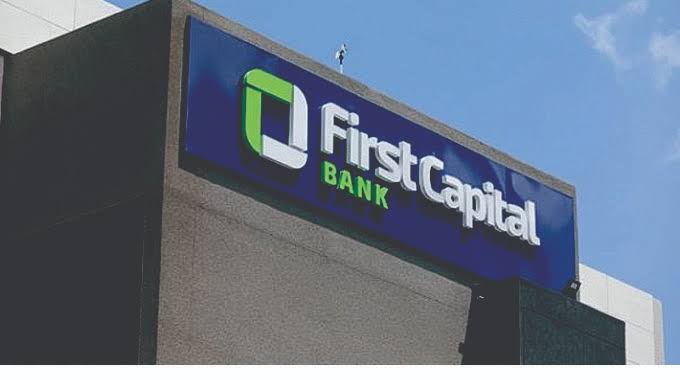
HARARE – First Capital Bank says it has not done enough to tell Zimbabweans what it offers, and plans to step up its marketing in 2027 as it tries to grow its market share, eight years after it stopped trading as Barclays.
“I think we did lag in marketing ourselves and telling everyone about ourselves. But that is something that we will work on in 2027,” Nagesh Shrivastava, head of corporate and institutional banking, said in an interview.
The bank, which traces its roots in Zimbabwe to 1912, came under the control of Malawi’s FMBCapital Holdings when Barclays sold out in 2017, and changed its name the following year. Some clients left in the change. Shrivastava said many of those decisions were made at regional or group level by customers with ties to international banks, not in Zimbabwe.
“I feel that it was more of a decision that was not taken in Zimbabwe, and which is why some of the clients had left, but we did an excellent job in terms of getting those clients back,” he said.
He said the bank had recovered many of those customers and added new ones, and expects its market share to end up above where it stood before the change. He gave no figures on how many clients left or returned, or on the bank’s current share.
Shrivastava said the bank kept the full Barclays product range and has built new products with its customers, mainly in collections, payments and reconciliation. They include school-fee collection software, automated collection and reconciliation systems, and payment tools that plug into clients’ enterprise resource planning (ERP) systems for real-time reconciliation. The bank also opens accounts in 10 minutes and lends to civil servants, and plans to push its retail products harder next year.
“We have the right bouquet of products. We will still continue to make new products in due course and market them,” he said.
AI TO SPOT THE GAPS
The bank is using artificial intelligence on transaction data to find what customers may need. Where a client is not making a particular type of transaction, the system alerts the relationship team to find out why, and what it learns sharpens later alerts. “It helps us sell the right product to the right people,” Shrivastava said.
The longer-term aim is internet banking that reminds customers of payments they make around the same date each month and lets them pay straight from the prompt. He dismissed the idea that machines will replace bank staff. “I don’t think robots can replace us. Robots will empower us and that’s what is the future of banking.”
Shrivastava said the banking industry was growing but held back by the informal sector, where much of the economy’s money stays outside banks as cash. Bringing that cash into the system, he said, would cut banks’ funding costs and allow cheaper loans.
“If the money that is sitting with clients in cash … starts coming in the banking sector, it will reduce the cost of fund. The cost of fund reduction will reduce the loan rates for the clients and they will be able to grow faster,” he said.
“The overall industry is growing very well, but it can do much more if the regulatory support is there.”