
By Talkmore Gandiwa
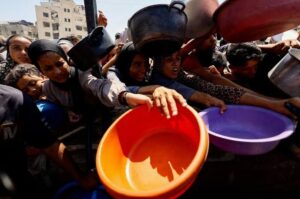
The Gaza Strip is facing unprecedented catastrophic humanitarian conditions, with more than 1.4 million Palestinians, representing 67 percent of the population, experiencing crisis-level food insecurity or worse as continued bombardments and restrictions on humanitarian aid deepen the territory’s food crisis.
The State of Palestine says the deteriorating situation has left hundreds dead from starvation and malnutrition, while thousands of children and pregnant women face growing threats to their health and survival.
The State of Palestine says the situation has reached catastrophic levels, with at least 466 people dying from starvation and malnutrition since 2024. Children account for about a third of the reported deaths, while an estimated 74,200 children are expected to require treatment for acute malnutrition.
The worsening food crisis has also taken a heavy toll on pregnant women and infants, with anaemia among expectant mothers rising to 61 percent from 41 percent before October 2023.
Nearly 4,000 pregnancy losses were recorded during the first six months of 2026, more than three times the number reported in the preceding six-month period, highlighting the growing impact of deteriorating health and nutrition conditions on mothers and newborns.
Ambassador Almassri condemned the continued restrictions imposed by Israeli authorities, accusing them of shutting down border crossings and preventing the delivery of essential food, medical supplies and other humanitarian assistance.
The ambassador said the restrictions had worsened deprivation across the Gaza Strip, accelerating the spread of famine and leaving civilians increasingly vulnerable to hunger and disease.
Almassri also raised concerns over the alleged abuse of Palestinian detainees from Gaza held in the Rakafet wing of Ramla Prison, where prisoners have reportedly endured torture, repression and other forms of severe mistreatment.
The reported abuses have left some detainees with serious injuries and burns, which the State of Palestine says amount to violations of international humanitarian and human rights law.
These include provisions under the four Geneva Conventions of 1949 and their Additional Protocols, the Convention Against Torture and the United Nations Basic Principles for the Treatment of Prisoners.
The State of Palestine is calling for the immediate and unrestricted reopening of humanitarian access routes to allow food, medicines and other essential supplies into Gaza.
It is also urging practical assistance to restore local food production, arguing that rebuilding agricultural capacity would help communities regain the ability to meet their nutritional needs and reduce dependence on external aid.
The Palestinian government further called on the international community, the United Nations Human Rights Council and the UN General Assembly to intervene to protect civilians and prisoners, ensure accountability for alleged violations and bring an end to what it described as a culture of impunity.