
by Staff Reporter
The State of Palestine has called on the international community, the United Nations and its specialised agencies, as well as humanitarian and relief organisations, to take immediate and coordinated action to save lives in the Gaza Strip as winter sets in and the humanitarian and environmental crisis worsens.
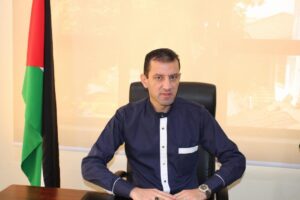
Ambassador of the State of Palestine to Zimbabwe, Dr Tamer Almassri, said the first rainfall had exposed the devastating conditions facing forcibly displaced Palestinians. Preliminary estimates indicate that more than 70,000 tents sheltering tens of thousands of people have been flooded, while walls and buildings weakened by Israeli bombardment have collapsed, leaving civilians injured.
He said the crisis was not merely a consequence of severe weather but the result of prolonged Israeli military operations, widespread destruction of infrastructure, continued displacement and the denial of essential humanitarian assistance and adequate shelter. Israel, he said, continues to obstruct the implementation of relevant United Nations Security Council resolutions, including Resolutions 2720 and 2803.
Nearly two million Palestinians are enduring dire humanitarian conditions across approximately 270,000 tents and displacement sites throughout the Gaza Strip. An estimated 60–85 percent of these tents are worn out and no longer suitable for habitation. More than 400,000 displaced people are living in particularly vulnerable areas exposed to flooding, rainwater accumulation and coastal hazards.
The destruction of sewage and rainwater drainage systems has further intensified the risks facing displaced communities. Children, older persons and patients lack adequate winter clothing, blankets, mattresses and safe heating facilities. Meanwhile, electricity outages and fuel shortages are leaving vulnerable people increasingly exposed to freezing temperatures and the threat of disease.
The State of Palestine stressed that the situation requires urgent and practical intervention beyond expressions of concern. It called for the following measures:
1. Immediate pressure on Israel to open all crossings and guarantee the unrestricted and sustained entry of sufficient humanitarian assistance, ensuring that supplies reach all areas of the Gaza Strip.
2. The urgent entry of fuel and equipment required to operate water and sewage systems and remove floodwater and wastewater.
3. The provision of emergency winter shelter, including temporary housing, weather-resistant tents, waterproof materials and supplies to repair damaged buildings.
4. The delivery of winter clothing, blankets, mattresses and safe heating supplies, with priority given to children, infants, older persons and patients.
5. An urgent health and preventive response, including the provision of medicines, medical supplies, clean water and sanitation materials, alongside measures to prevent disease outbreaks.
6. The entry of essential logistical and technical equipment to support municipalities, civil defence teams and humanitarian responders in protecting civilians.
Ambassador Almassri said the international community had both the capacity and responsibility to respond to the worsening crisis. He urged governments and international organisations to exert immediate pressure to secure the implementation of relevant United Nations Security Council resolutions and guarantee the unhindered delivery of humanitarian assistance.
He warned that leaving nearly two million Palestinians exposed to rainfall, flooding, freezing temperatures and sewage, without adequate shelter or basic necessities, would continue to result in preventable suffering and loss of life.
The State of Palestine said immediate and coordinated international action was needed to protect civilians and address the worsening humanitarian emergency, stressing that the time to act was now.