
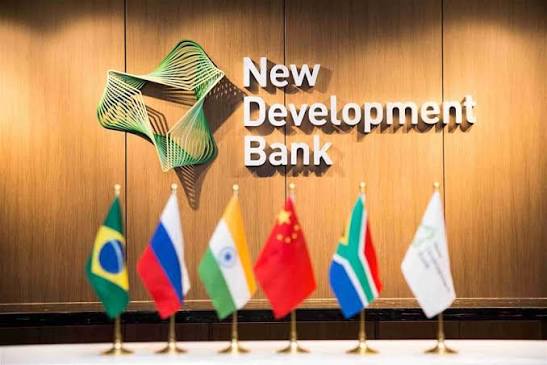
HARARE — Zimbabwe has been formally admitted as a borrowing member of the BRICS New Development Bank (NDB), taking a major step toward diversifying its access to international financing.
As part of its admission, the country will subscribe to 630 shares of the NDB’s authorised capital, valued at US$63 million.
According to a statement by Minister of Finance, Economic Development and Investment Promotion Mthuli Ncube, the share package comprises US$12.6 million in paid-in capital and US$50.4 million in callable capital.
The formal admission was confirmed through Resolution No. 2026-BG-R 129, adopted by the NDB Board of Governors on July 10, 2026, under Articles 5(b) and (c) of the Bank’s Articles of Agreement.
This milestone marks the culmination of a process that began in 2023. Following formal negotiations and the submission of a Letter of Application, the NDB Board of Directors placed Zimbabwe on the List of Potential New Members on March 25, 2026.
The government will now move to ratify its membership in accordance with the Agreement on the New Development Bank before officially subscribing to its shareholding.
“The membership of the New Development Bank marks a significant milestone in Zimbabwe’s international re-engagement and resource diversification agenda,” stated Minister Ncube.
NDB membership will provide Zimbabwe with expanded access to long-term, alternative financing for critical growth initiatives aligned with National Development Strategy 2 and Vision 2030.
Key target sectors for future funding include infrastructure development, energy security, industrialisation, and climate resilience.
Expressing gratitude to the NDB Board of Governors, Board of Directors, and Management, the Zimbabwean government reaffirmed its commitment to building a mutually beneficial partnership with the institution and its member nations.
The NDB was established by the BRICS bloc to finance major infrastructure and sustainable development projects across member and borrowing member states.